Review: Mothers Day Card Thank You Mom Happy Design
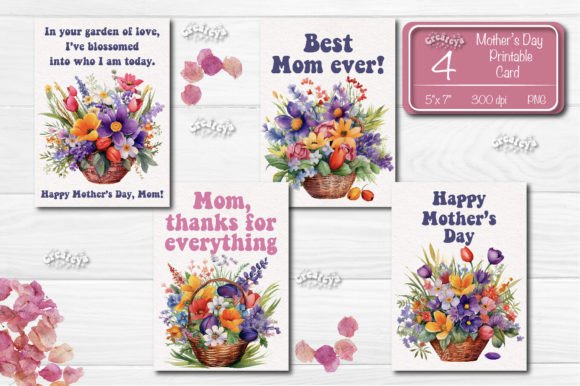
As a designer who spends most of my day staring at digitized files and thread charts, I approach new assets with a healthy dose of skepticism. We have all downloaded a digital embroidery file that looked stunning on the screen but turned into a bird's nest of thread breaks and puckering on the hoop. Today, I am taking a close look at the Mothers Day Card Thank You Mom Happy design. While the product listing categorizes this under Print Templates and Graphics, specifically noting it as a PNG file within a ZIP folder, my interest lies in how we can adapt this visual asset for tangible, stitched projects.
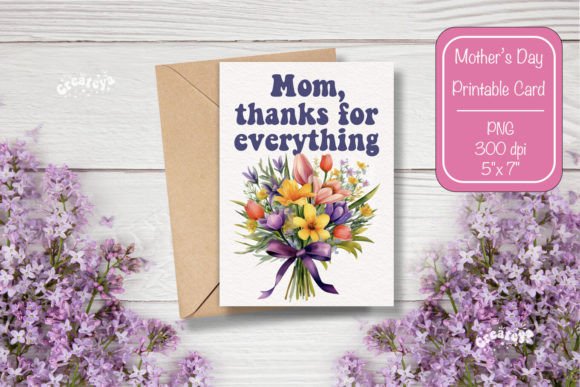
The first impression of this design is one of softness and sincerity. The watercolor flower theme mentioned in the description suggests a mood that is gentle rather than bold. For an embroidery project, this aesthetic translates beautifully into satin stitches with varied angles or perhaps a light fill stitch that mimics the bleed of watercolor paint. The layout appears centered and balanced, which is crucial when you are working within the constraints of a standard hoop size. It feels less like a loud statement piece and more like a heartfelt whisper, making it ideal for items where emotional connection outweighs flashy branding.
Visualizing the Stitch-Out: From Screen to Fabric
When I imagine translating this graphic into a machine embroidery design, I immediately think about texture. Watercolor effects in embroidery often require careful manipulation of thread colors. To achieve the look described in the Mothers Day Card Thank You Mom Happy file, a designer would need to blend shades seamlessly. This isn't a job for a simple two-color run; it demands a thoughtful palette. If you are an Etsy seller looking to create a unique line of holiday gifts, this design offers a fantastic base for customization.
Consider a real-life scenario: You are preparing a custom order for a client who wants a personalized gift for their mother. They want something better than a store-bought card. You decide to use this design on a high-quality linen tote bag. The natural texture of the linen complements the organic feel of the watercolor flowers. However, because the source file is a PNG intended for printing, you must ensure your digitizer (or you, if you do your own digitizing) accounts for the stitch density. Too dense, and the fabric will pucker; too light, and the backing will show through, ruining the delicate illusion of the artwork.
Ideal Applications for Small Shops and Makers
This design shines brightest when applied to specific handmade products. Here is where I see the most potential for craft business owners:
- Sweatshirt Embroidery: Placed on the left chest or centered on the back of a cream-colored hoodie, this design adds a touch of boutique flair without overwhelming the garment.
- Kitchen Towels and Aprons: The "Thank You Mom" sentiment fits perfectly in the kitchen. A waffle-weave towel with this motif makes for a charming, usable keepsake.
- Nursery Decor: Adapted for a pillow cover or a wall hanging, the soft floral elements suit a baby's room, serving as both decoration and a sweet message from child to parent.
- Embroidered Patches: If you digitize this with a merrowed edge, it becomes a versatile patch that customers can iron onto jackets or bags later.
For those selling printable mockups or digital previews, the clarity of the original PNG is vital. Before committing to stitching, I always recommend creating a black-and-white mockup to check contrast. Does the text "Happy" stand out against the flowers? In embroidery, if the contrast isn't there in grayscale, it won't work in thread either.
Technical Considerations and Fabric Choices
While the artistic merit is high, practical execution requires caution. Since the source material is a graphic intended for printing, there are no inherent stitch count or hoop size specifications provided in the download. This places the burden of technical planning on you, the maker. You must verify the resolution of the PNG. If you plan to enlarge it for a blanket or a large tote, pixelation could occur, making it difficult to trace or digitize accurately.
Fabric choice is another critical factor. The delicate nature of the watercolor style means it might get lost on heavily textured fabrics like thick terry cloth or rough burlap. It performs best on smooth, stable materials like cotton twill, poplin, or medium-weight fleece. Be wary of using this on stretchy fabrics unless you have experience with heavy-duty stabilizer. Without proper support, the fine details of the flowers and the lettering could distort during the wash cycle.
Furthermore, consider the running stitch outlines versus fill stitch areas. Small lettering, often found in these types of greeting card designs, can be tricky. If the text is too small, the threads may merge, rendering the message unreadable. I advise testing the design on scrap fabric first. Check how the satin stitch columns behave on curved surfaces if you are attempting to put this on a cap. Caps are notoriously difficult for detailed floral work due to the curvature of the buckram.
Enhancing Brand Value and Customer Trust
Using a well-chosen design like Mothers Day Card Thank You Mom Happy directly impacts your brand perception. When a customer receives a personalized gift that looks professional and thoughtful, their trust in your small shop product line grows. It shows attention to detail. Conversely, a poorly executed stitch-out can damage your reputation. The difference lies in the preparation.
For commercial embroidery projects, consistency is key. If you sell this design across multiple platforms, ensure every item meets the same quality standard. Use the same thread brands and stabilizer types to maintain color accuracy. This level of professionalism turns a one-time buyer into a repeat customer. Additionally, for apparel decorators, offering this as part of a limited-time holiday collection can drive engagement. The emotional resonance of Mother's Day combined with a beautiful floral design creates a compelling sales narrative.
Final Verdict and Designer Notes
In conclusion, the Mothers Day Card Thank You Mom Happy asset holds significant promise for creative entrepreneurs willing to put in the legwork to adapt it for embroidery. It is not a plug-and-play applique design straight out of the folder, but rather a high-quality graphic foundation. Its strength lies in its versatility and emotional appeal.
Before you start stitching, keep these practical notes in mind:
- Check Licensing: Since this is sold as a graphic/Print Template, confirm with the seller if you have the rights to use the design for physical goods you intend to sell. Do not assume commercial rights for stitched items are included just because it is a digital download.
- Digitize with Care: If you are converting the PNG to a stitch file, pay close attention to the underlay. Good underlay prevents sinking and ensures the watercolor effect pops.
- Test Washability: Products like tea towels and aprons undergo frequent washing. Ensure your thread choices are colorfast and your stitching is secure enough to withstand machine cycles.
- Contrast Check: Always view your digitized version in monochrome to ensure the text remains legible against the floral background.
By treating this graphic as a springboard for creativity rather than a finished solution, you can create stunning finished products that honor moms everywhere while boosting your portfolio as a skilled designer. Whether for a holiday embroidery rush or a year-round boutique item, this design has the heart and the visuals to succeed.